“Can You Plan Functional Rhinoplasty Surgery Around Your Busan Trip?”
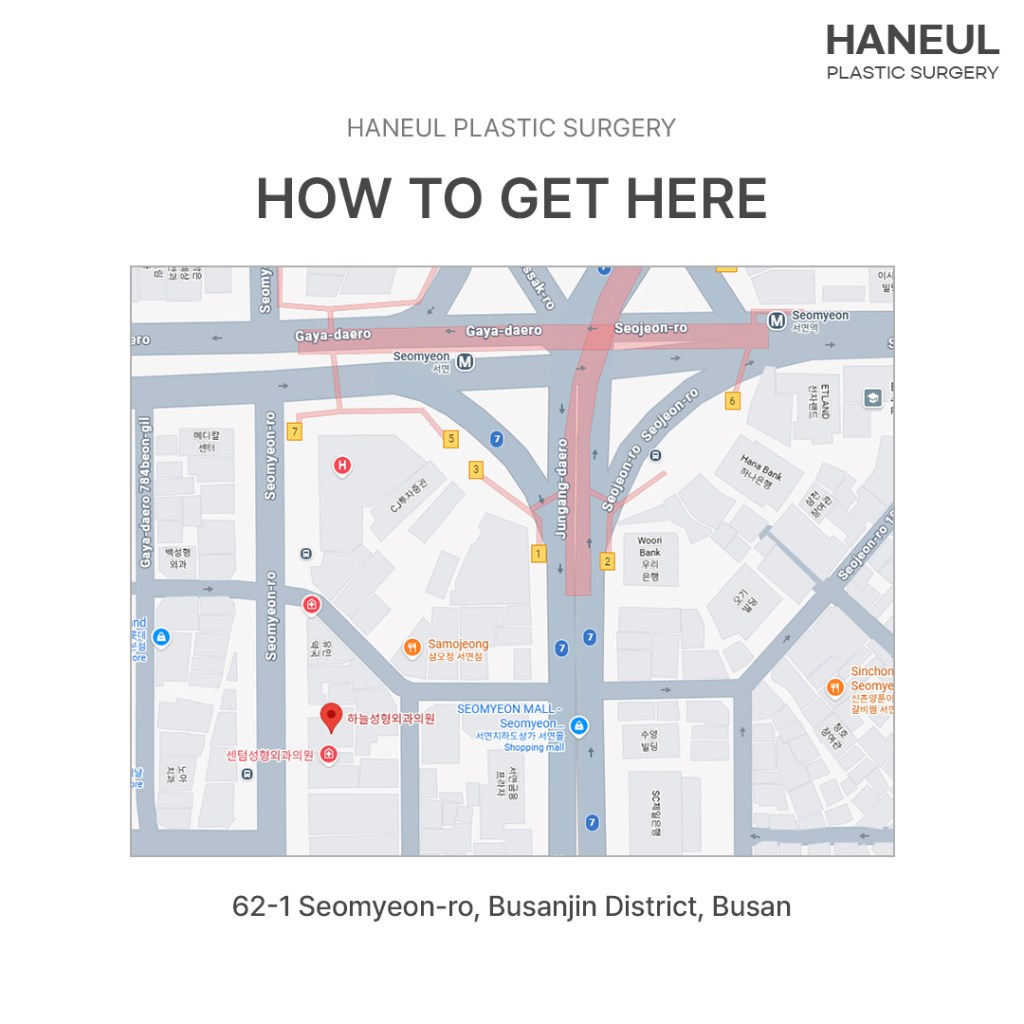
More people who deal with long-term nasal congestion, or who want to improve the shape of their nose at the same time, are now looking into plastic surgery clinics in Seomyeon, Busan as part of their trip to Korea. Functional rhinoplasty in particular has been drawing a steady stream of interest, and it’s not just Seoul — Seomyeon in Busan is also home to clinics with surgeons who have extensive hands-on experience in nasal surgery and well-organized surgical systems. Korea has built a strong global reputation in rhinoplasty, especially in functional rhinoplasty, which addresses both breathing function and appearance at the same time, and Busan has been establishing itself alongside Seoul as a hub for medical tourism. If your trip to Korea includes Busan, seriously considering functional rhinoplasty can be a genuinely worthwhile choice.
Let’s talk about just how much breathing through your nose affects the rest of your body. The nose plays an important role in filtering outside air and adjusting it to the right temperature and humidity before it reaches your lungs. When nasal congestion becomes chronic, it often leads to mouth breathing, and over time that habit can contribute to poor sleep quality, reduced concentration, chronic fatigue, and headaches. If you’ve been dealing with long-term congestion but haven’t had the chance to get proper treatment because life gets busy, using a trip to Busan, Korea as an opportunity to address the root cause through functional rhinoplasty can be a smart approach.
↑Learn more about functional rhinoplasty
One of the most common structural causes of nasal congestion is a deviated septum. The septum divides the inside of the nose into left and right sides, and when it curves to one side, it narrows the airway on that side and restricts airflow. If you frequently notice congestion on just one side, or a sensation of congestion alternating between sides, a deviated septum is worth considering. A deviated septum can also affect the outward shape of the nose, so if your nose looks crooked or noticeably asymmetrical, septoplasty is often performed to correct both function and appearance at the same time. This is exactly why septoplasty is such a core part of functional rhinoplasty.
Turbinate hypertrophy is another major cause of nasal congestion. The turbinates are tissue structures along the inner walls of the nose, and when they become enlarged due to chronic rhinitis or an allergic reaction, they narrow the nasal passages and make congestion worse. When turbinate hypertrophy is present, a procedure to reduce the size of the tissue is usually needed, and the right approach — whether laser, radiofrequency, or direct tissue removal — depends on the individual’s condition. It’s also common for a deviated septum and turbinate hypertrophy to occur together, which is why functional rhinoplasty is often planned to correct both issues at the same time.
What sets functional rhinoplasty apart from standard cosmetic rhinoplasty is that it takes an integrated approach to both the inside and outside of the nose. Cosmetic surgery that only raises the bridge or refines the tip doesn’t resolve structural problems inside the nose, and conversely, septoplasty alone won’t change the nose’s outward appearance. Functional rhinoplasty corrects structural issues inside the nose while also reshaping the outside according to your goals, all in one integrated procedure. Even people who’ve already had rhinoplasty before can still undergo functional correction as a revision if breathing issues remain.
The use of the patient’s own cartilage is another important part of functional rhinoplasty. To build or reinforce structural support inside the nose, surgeons use autologous cartilage — taken from the septum, ear, or rib, depending on what the case calls for. Because it’s your own tissue, autologous cartilage integrates naturally without triggering a foreign-body reaction, and it provides stable, lasting support for the nasal structure. This matters in functional rhinoplasty because the goal isn’t just to change how the nose looks — it’s to strengthen the structural stability of the nose as a whole.
↑Learn more about functional rhinoplasty
If you’re planning to visit Busan for functional rhinoplasty, it’s important to plan your stay and surgical schedule together. Functional rhinoplasty typically calls for a stay of at least 7 to 10 days, including the day of surgery. That’s because you’ll need a day or two beforehand for detailed exams and consultation, and afterward, your nasal packing needs to be removed and your early recovery checked. Stitches are usually removed somewhere between 5 and 7 days after surgery, so it’s best to plan to fly home once the initial swelling has settled to a reasonable degree. Busan is well connected, with direct flights to major cities across Asia through Gimhae International Airport, which makes travel logistics fairly convenient. Your surgical team is in the best position to tell you exactly when it’s safe to fly.
Many patients also want to know how follow-up care works once they’re back home. Since it can take several months to see the final results of rhinoplasty, some form of follow-up is still needed after you return. These days, many clinics offer telemedicine consultations that let you share photos or video for a progress check even after you’ve left Korea. If you notice anything unusual or you’re concerned about your recovery, you can simply reach out to your surgical team and share your condition remotely. If you happen to have the chance to visit Busan again, an in-person follow-up visit is always the best option. It’s worth confirming in advance whether the clinic you choose for functional rhinoplasty has a proper remote aftercare system in place for international patients.
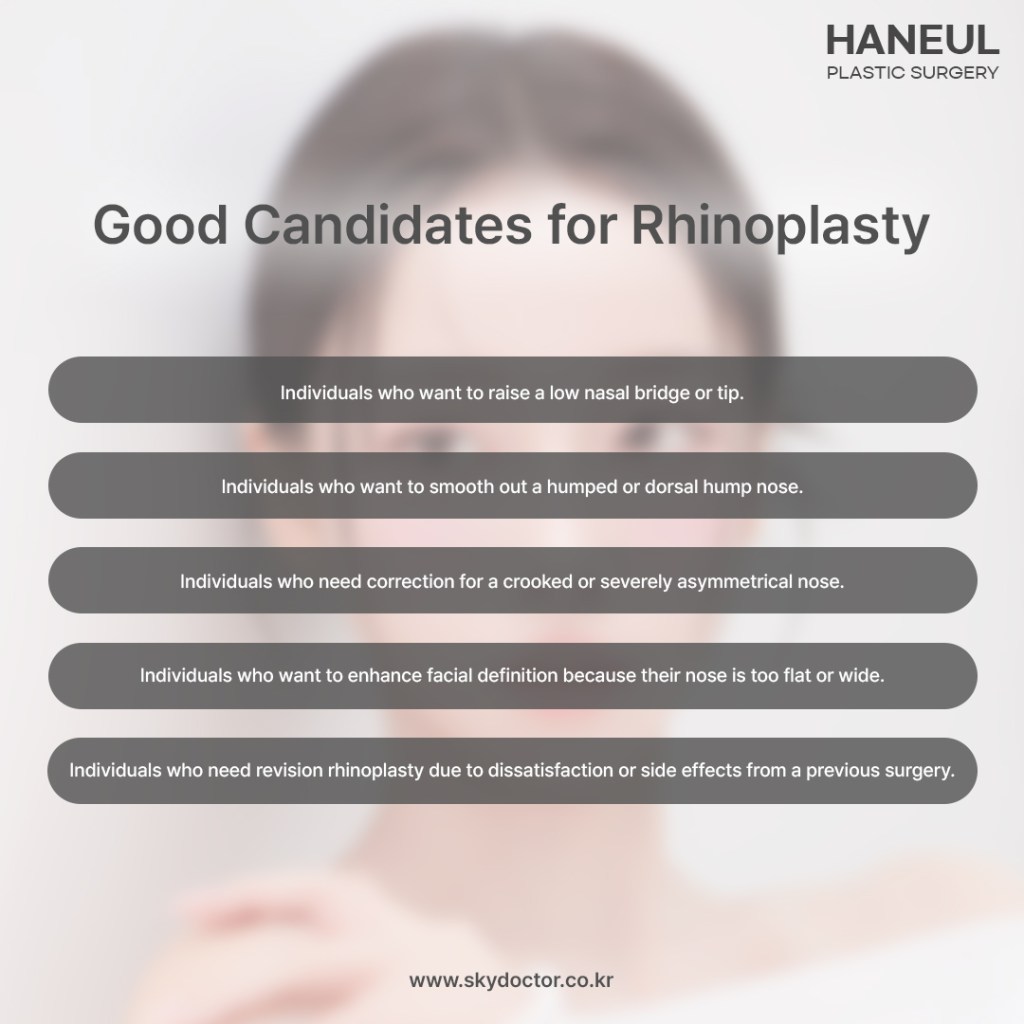
You can also arrange an online consultation before your trip to Busan. Sharing details in advance — how long you’ve had nasal congestion and what type it is, any previous nose surgeries or procedures, and what direction you’d like your nose’s appearance to go — can make your in-person consultation far more efficient once you arrive. Once you’re in Busan, you’ll go through detailed exams, an in-person consultation, and finalize your surgical plan, so it’s a good idea to build in at least a day of buffer before your visit. If you’re planning a trip to Busan for functional rhinoplasty, the single most important thing you can do is give yourself plenty of room in both your surgery schedule and your return flight.
When choosing a clinic for functional rhinoplasty, it’s worth checking whether they have real experience working with international patients. Confirming things like whether consultations are available in your language, whether you can get the medical documents and records you’ll need before and after surgery, and whether a remote follow-up system is in place once you’re back home can all help you plan your surgery with more peace of mind. If long-term nasal congestion has been getting in the way of everyday life and you’d also like to improve the shape of your nose, using a trip to Busan for functional rhinoplasty can be a smart way to solve both problems in a single journey.
↑Learn more about functional rhinoplasty
Q. How long of a stay do I need if I’m getting functional rhinoplasty during a trip to Busan?
A. We generally recommend planning for a stay of at least 7 to 10 days, including pre-op exams and consultation. It’s best to plan your return flight for after your packing has been removed, your early recovery has been checked, and your stitches have come out. The exact length of stay can vary depending on the extent of surgery and how quickly you personally recover, so it’s worth confirming during your consultation.
Q. What does the schedule look like on the day of surgery itself?
A. Surgery day usually takes at least half a day, since it includes final pre-op checks and anesthesia preparation. Afterward, you’ll typically be monitored in a recovery room for a period of time before heading back to where you’re staying. It can be hard to get around on your own that day, so having someone with you is a good idea, and it’s worth asking the clinic in advance for a clear rundown of what to expect.
Q. Can I do an online consultation before I travel to Busan?
A. Yes, many clinics offer this. Sharing details in advance — how long you’ve had congestion and what type it is, any past nose surgeries, and what you’re hoping for in terms of appearance — can make your in-person consultation much more efficient once you arrive. Once you’re there, you’ll go through detailed exams, meet the surgeon in person, and finalize your surgical plan.
Q. Can my recovery be checked remotely without another trip back?
A. Basic follow-up is possible through telemedicine consultations. That said, the final results of rhinoplasty only become clear after several months, so if you get the chance to visit Busan again, an in-person check is the best option. Staying in close communication with your surgical team is important either way.
Q. If I get septoplasty and cosmetic rhinoplasty at the same time, does that mean a longer recovery?
A. Doing both at once can require a bit more recovery time. That said, combining them into a single surgery is often less of a burden overall than having two separate procedures. It’s a good idea to build some extra flexibility into your stay, just in case.


답글 남기기