“Will issues with procedures received in other countries for foreign substance removal also be resolved in Korea?“
↑Check detailed information on foreign substance removal
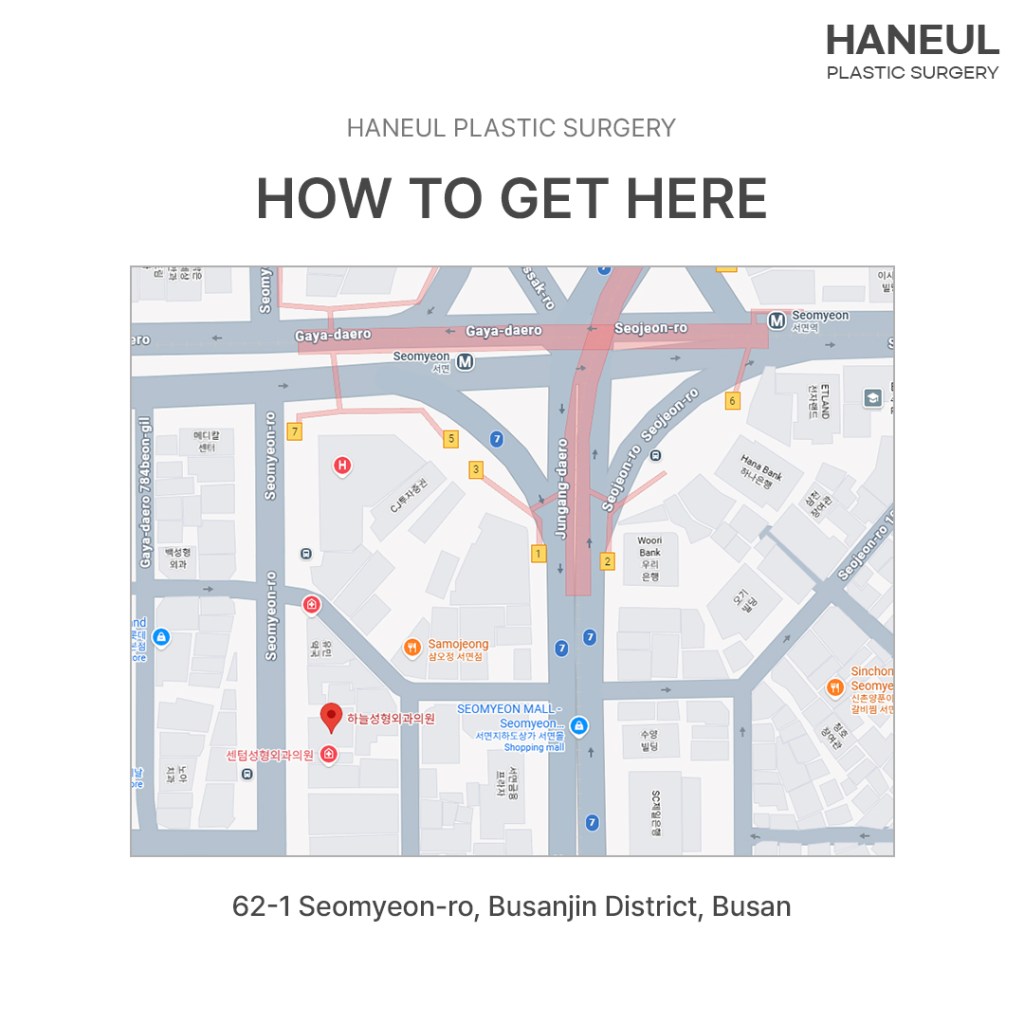
Sometimes things go well after a cosmetic procedure for a while, and then at some point something starts to feel different. An implant placed in the nose, chin, or forehead starts showing through the skin over time, a hardened lump forms where filler was injected, or a specific area keeps swelling up with recurring inflammation. Among international visitors researching plastic surgery clinics in Seomyeon, Busan while planning a trip to Korea, more and more are asking specifically about foreign material removal. Many of them come because a procedure or surgery they had back home caused a problem that’s difficult to resolve locally, or because they trust the expertise of Korean surgeons enough to travel specifically for removal. Korea has built a strong reputation among international patients in the field of foreign material removal, with many surgeons who have handled a wide range of complex cases.
The term “foreign material” may sound unfamiliar to some people. In simple terms, it refers to anything injected or inserted into the body that wasn’t originally part of your own tissue. This covers a wide range: implants and fillers used in cosmetic procedures, PDO threads from thread lifts, your own fat used in fat grafting, and even substances like paraffin or industrial-grade silicone that were illegally injected in the past. Removal becomes necessary when any of these materials shift position over time, become stuck to surrounding tissue, cause inflammation, or harden into a lump.
One of the most common cases we see involves nasal implants. This includes cases where a silicone implant placed to build up the bridge has shifted position over time, where the skin over the nose has thinned enough that the implant becomes visible underneath, or where an implant at the tip of the nose feels like it might be about to break through the skin. In these situations, prompt action is important, since delaying removal can lead to further skin damage. During a consultation for foreign material removal, it’s important to get a precise evaluation of the implant’s current position and the condition of the skin, and to discuss both the removal method and any reconstruction plan afterward.
Filler-related complications are another area commonly addressed through foreign material removal. Hyaluronic acid filler is designed to break down naturally in the body, but depending on the individual, absorption can be slow, or part of it may absorb while the rest clumps together into a nodule. Semi-permanent fillers, on the other hand, are designed specifically not to break down, so they can remain in place indefinitely, sometimes adhering to surrounding tissue or triggering inflammation. When filler clumps in an area with thin skin, like under the eyes, it can create a bluish discoloration visible through the skin, known as the Tyndall effect. For hyaluronic acid filler, hyaluronidase, an enzyme that dissolves it, is usually an option, but for semi-permanent filler or filler that resists breaking down, physical removal is often the only choice.
↑Check detailed information on foreign substance removal
Removing material from illegal, non-medical procedures tends to be among the most complex cases we handle. Substances like paraffin, petroleum jelly, or industrial-grade silicone injected outside a proper medical setting were never designed to be placed inside the body, so they don’t break down and instead spread through surrounding tissue, often causing widespread inflammation and deformity. The longer this goes untreated, the more tissue damage accumulates and the harder removal becomes, so if you suspect this kind of material may be present, it’s important to consult an experienced surgeon as soon as possible. Complete removal isn’t always possible, but the goal is to remove as much as can safely be taken out while managing the remaining tissue. Some patients travel to Korea specifically to address foreign material complications from illegal procedures received elsewhere, which is why finding a surgeon experienced with these especially complex cases matters so much.
Breast implants are another area where foreign material removal plays an important role. Implant removal becomes necessary in cases of severe capsular contracture, implant rupture, or recurring inflammation around the implant. Removing a breast implant often involves treating the capsule, the scar tissue that has formed around it, not just taking out the implant itself, so depending on the situation, capsule removal and implant replacement may be planned together. Getting a precise image-based evaluation of the implant’s current condition through ultrasound or MRI beforehand is an essential first step.

↑Check detailed information on foreign substance removal
If you’re planning to visit Busan, Korea for foreign material removal, it’s important to plan your stay and treatment schedule together. The length of stay you’ll need depends on the type and location of the material and the removal method. Relatively simple cases, like dissolving filler with an enzyme, may be possible with a short visit, but implant removal or more complex removal surgery often calls for a stay of at least 7 to 10 days, including pre-op evaluation and consultation, plus checking your early recovery afterward. Busan is well connected, with direct flights to major cities across Asia through Gimhae International Airport, so travel logistics tend to be fairly convenient. Since the exact length of stay depends on your individual situation, it’s worth confirming through an online consultation before your trip.
You can also arrange an online consultation before you travel to Busan. Sharing photos of the area in question beforehand, along with what procedure you had and when, and what symptoms you’re currently experiencing, can make your in-person consultation much more efficient once you arrive. If you have records from your previous procedure or information about the implant that was used, it’s worth bringing that along too. If you don’t have that information, there’s no need to worry — your current condition can still be assessed through detailed imaging once you arrive.
It’s worth understanding in advance how follow-up works once you’re back home. How long it takes to see the final result after foreign material removal varies depending on the method and extent of removal, but it can take several months for the tissue to fully settle, so some form of follow-up after you return is necessary. These days, many clinics manage this through telemedicine, letting you share photos or video to check your progress. If you notice anything unusual or you’re concerned about how things are healing, you can simply reach out to your surgical team and share your condition remotely. It’s worth confirming in advance whether the clinic you choose has a proper remote aftercare system for international patients.
When choosing a clinic for foreign material removal, it’s worth checking whether they have real experience working with international patients. Confirming things like whether consultations are available in your language, whether you can get the medical documents and records you’ll need before and after your procedure, and whether a remote follow-up system is in place once you’re back home can all help you plan with more peace of mind. Since foreign material removal requires a completely different approach depending on the type and location of the material, it’s important to be treated by a surgeon with experience across a wide range of removal cases. The basics to check are whether a board-certified plastic surgeon personally diagnoses and performs the procedure, whether the clinic has a proper imaging evaluation system, whether hyaluronidase is kept on hand, and whether there’s a system in place for a dedicated anesthesiologist to work alongside the surgeon. If a foreign material complication has been bothering you, getting an accurate diagnosis sooner rather than later, by planning a trip to Korea, often leads to a better outcome in the long run.
↑Check detailed information on foreign substance removal
Q. How long of a stay do I need for foreign material removal during a trip to Busan, Korea?
A. It depends on the type of material and the removal method. Relatively simple cases, like dissolving filler with an enzyme, may be possible with a short visit, but implant removal surgery often calls for a stay of at least 7 to 10 days. It’s a good idea to get an estimate of the stay length that fits your specific situation through an online consultation before your trip.
Q. What does the schedule look like on the day of the procedure?
A. The day of the procedure requires at least half a day, since it includes final checks and anesthesia preparation. Afterward, you’ll typically be monitored in a recovery room for a period of time before heading home the same day. It can be hard to get around on your own that day, so having someone with you is a good idea, and it’s worth asking the clinic in advance for a clear rundown of what to expect.
Q. How is my recovery followed up once I’m back home?
A. Many clinics manage this through telemedicine, letting you share photos or video to check your progress. If you notice anything unusual or you’re concerned about how things are healing, you can simply reach out to your surgical team and share your condition remotely. It’s worth confirming in advance whether the clinic has a proper remote aftercare system for international patients.
Q. Can I do an online consultation before I travel to Busan?
A. Yes, many clinics offer this. Sharing photos of the area in question along with information about your previous procedure online in advance can make your in-person consultation much more efficient once you arrive. Even without records from a previous procedure, your current condition can still be assessed through detailed imaging once you visit.
Q. When can I fly home after the procedure?
A. It depends on the removal method and extent of the procedure. For relatively simple treatments, flying home the same day or within a few days may be possible, but for implant removal surgery, it’s best to wait until your early recovery has been checked before flying home. Exactly when it’s safe to fly is safest to determine based on your surgical team’s guidance.


댓글 남기기