“Can the results of revision eyelid surgery be better than the first one?”
↑Check detailed information on eye revision surgery
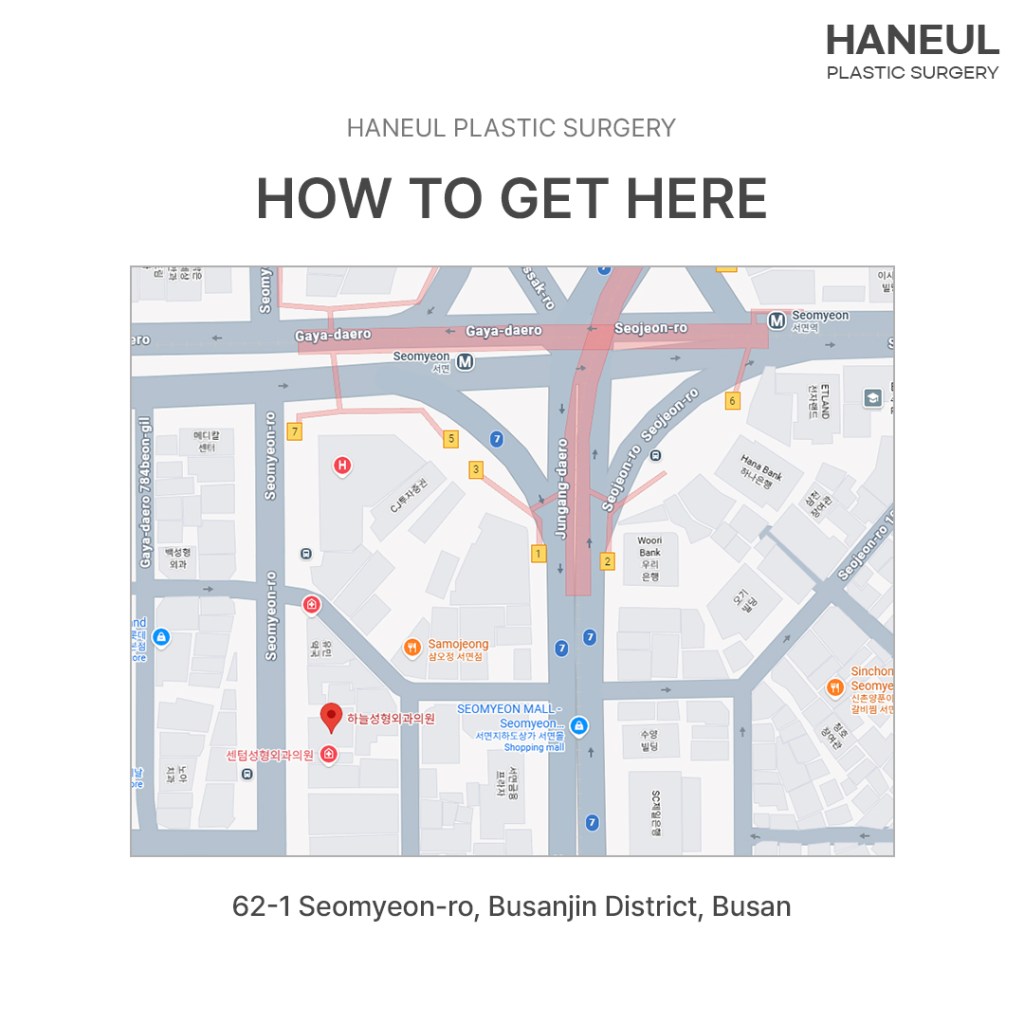
Do you know how different it feels to consider revision eye surgery compared to the excitement of deciding on your first procedure? The clinic you once visited with anticipation is a different story the second time around — when the result wasn’t what you hoped for, or a problem developed over time, going back under for another procedure is never an easy decision to make. Among international visitors researching plastic surgery clinics in Seomyeon, Busan while planning a trip to Kor ea, more and more are asking specifically about revision eye surgery. Many of them weren’t satisfied with the result of eye surgery they had back home, or developed a problem over time, and want to have revision surgery done in Korea instead. Korea has built a strong global reputation in eye surgery, and more international patients are specifically traveling to Korea because so many Korean surgeons have deep hands-on experience with especially difficult cases like revisions.
The reasons people end up needing revision eye surgery vary from case to case. A double eyelid crease that sits too high or looks unnatural, a crease that’s loosened over time after non-incisional surgery, noticeable asymmetry between the eyes, ptosis correction that didn’t fully resolve the issue and still leaves the eyes feeling like they don’t open all the way, or overcorrection that left the eyes looking unnaturally wide open — these are just some of the reasons people seek out revision surgery. Since each situation calls for a completely different approach, accurately identifying exactly what’s wrong with your eyes right now is the starting point for any revision.
There’s a core reason revision eye surgery is more difficult than a first procedure. The scar tissue and adhesions that formed after the original surgery make the surgical environment far more complex. Adhesions that formed along the original crease line can change the position and elasticity of the tissue, and the amount of eyelid fat often differs from what it was originally. Getting the result you want in this kind of environment requires precisely analyzing how the tissue has changed and tailoring the approach accordingly. This is exactly why revision eye surgery can’t simply be approached the same way as a first procedure, and why it matters so much to find a surgeon with substantial experience specifically in revision cases.
The most common case in double eyelid revision is a crease that was set too high and looks unnatural. Lowering a crease that’s too high is a much more difficult task than raising one that’s too low. The process of releasing the adhesions from the original crease and allowing a new crease to settle into place has to be done with real precision, so the surgeon’s experience and technical skill with revisions make a huge difference in the outcome. During a revision consultation, it’s important to first get a realistic assessment of how much the crease height can actually be adjusted.
↑Check detailed information on eye revision surgery
A crease that’s loosened after non-incisional surgery is another case commonly seen in revision eye surgery. Repeating the same non-incisional method carries a real chance of the crease loosening again, so depending on the condition of the eyelid, switching to the incisional method often leads to a more stable, lasting result. In fact, a steady number of patients who originally had non-incisional surgery abroad travel to Korea specifically to have revision surgery done with the incisional method. During a revision consultation, it’s a good idea to have your current eyelid structure and fat condition evaluated so you and your surgeon can decide together which method is the better fit.
Revision ptosis correction is the case in revision eye surgery that demands the most precise technique. Revision becomes necessary either when the original ptosis correction wasn’t enough or its effect has faded over time, or on the other end, when overcorrection has left the eyes opening too wide or caused lagophthalmos, where the eyes don’t fully close. Since this surgery works directly with the levator muscle that opens the eye, the starting point for a revision is precisely understanding how the muscle and surrounding tissue have changed as a result of the original surgery. Revision ptosis correction is harder to predict than a first-time procedure, and in some cases, further adjustment is needed after watching how the eyes settle post-surgery. Going in with a clear understanding of this is the best way to come away satisfied with your revision.

↑Check detailed information on eye revision surgery
If you’re planning to visit Busan, Korea for revision eye surgery, it’s important to plan your stay and surgical schedule together. The length of stay depends on the type and extent of the revision — fast-recovery cases, like a non-incisional revision, can often work with a trip of around three nights and four days. Revisions that need more recovery time, like the incisional method or revision ptosis correction, usually call for a stay of at least 7 to 10 days. It’s best to build your schedule around pre-op evaluation and consultation, plus an early recovery check and stitch removal after surgery. Busan is also fairly accessible, with direct flights to major cities across Asia through Gimhae International Airport.
Many patients also want to know how follow-up works once they’re back home. The final result of revision eye surgery isn’t visible until the swelling has fully resolved, usually around three to six months later, so some form of follow-up after you return is necessary. These days, many clinics manage this through telemedicine, letting you share photos or video to check your progress. If you notice anything unusual or you’re concerned about how things are healing, you can simply reach out to your surgical team and share your condition remotely. If you happen to get the chance to visit Busan again, an in-person visit to confirm your final result is always the best option.
You can also arrange an online consultation before your trip to Busan. Sharing details in advance — photos of your current eye condition, when and how your original surgery was performed, and what’s currently bothering you — can make your in-person consultation far more efficient once you arrive. If you have records from your original surgery, it’s worth bringing those along too. Once you’re in Busan, you’ll go through a detailed evaluation, an in-person consultation, and finalize your surgical plan, so it’s a good idea to build in at least a day of buffer before your visit.
When choosing a clinic for revision eye surgery, it’s worth checking whether they have real experience working with international patients. Confirming things like whether consultations are available in your language, whether you can get the medical documents and records you’ll need before and after surgery, and whether a remote follow-up system is in place once you’re back home can all help you plan your surgery with more peace of mind. The most important thing is being treated by a board-certified plastic surgeon with substantial experience across a wide range of revision eye cases, and it’s also worth confirming whether there’s a system for a dedicated anesthesiologist to work alongside them, and whether the clinic has a proper pre-op evaluation system in place specifically for revision cases. Since a single careful decision about revision eye surgery determines your satisfaction for a long time afterward, it’s worth gathering plenty of information and going through a thorough consultation before making your decision.
↑Check detailed information on eye revision surgery
Q. How long of a stay do I need for revision eye surgery during a trip to Busan, Korea?
A. It depends on the type of revision. Fast-recovery cases like a non-incisional revision can often work with a trip of around three nights and four days, while the incisional method or revision ptosis correction usually calls for at least 7 to 10 days. It’s best to plan a schedule that includes your pre-op consultation and stitch removal after surgery.
Q. What does the schedule look like on the day of surgery?
A. Surgery day requires at least half a day, since it includes final checks and anesthesia preparation. Afterward, you’ll typically be monitored in a recovery room for a period of time before heading home the same day. It can be hard to get around on your own that day, so having someone with you is a good idea, and it’s worth asking the clinic in advance for a clear rundown of what to expect.
Q. How is my recovery followed up once I’m back home?
A. Many clinics manage this through telemedicine, letting you share photos or video to check your progress. Since the final result of revision eye surgery isn’t visible until three to six months later, it’s a good idea to keep sharing your progress consistently after you return home. It’s worth confirming in advance whether the clinic has a proper remote aftercare system for international patients.
Q. Can I do an online consultation before I travel to Busan?
A. Yes, many clinics offer this. Sharing photos of your current eye condition and information about your original surgery online in advance can make your in-person consultation much more efficient once you arrive. Once you’re there, you’ll go through a detailed evaluation, meet the surgeon in person, and finalize your surgical plan.
Q. When can I fly home after surgery?
A. It varies by the type of revision, but most patients fly home after their stitches have been removed. Exactly when it’s safe to fly depends on your individual recovery, so it’s safest to follow your surgical team’s guidance. Long flights can affect swelling, so it’s best to build in extra buffer when planning your return date.


댓글 남기기